Heroin and smack — brown sugar, chitta, smack — are opioid compounds that create physical dependency within weeks, sometimes within days of regular use. The clinical profile is different from alcohol in important ways: withdrawal is rarely fatal but physically overwhelming; recovery requires Counselling and relapse awareness support; and the window of peak relapse risk is different. Families operating on mental models from alcohol recovery often get the response wrong.
What smack actually is
Smack in the Indian market is typically brown, low-purity heroin — chemically heroin (diacetylprescription substance) cut with adulterants that vary by source. It is smoked on foil, injected, or chased. The opioid acts on the same receptors as prescription prescription substance, opioid or sedative misuse, and prescription substance — which is why cross-dependency is common.
Smack is rarely a single-substance problem. Many patients we admit for smack dependency are also using sedatives (to manage come-down), alcohol, or tobacco. Assessment at admission identifies the full substance profile.
How opioid dependency develops — fast
Alcohol dependency typically takes years to establish. Opioid dependency can establish in weeks. The reason is pharmacological: opioids bind directly to the brain's pain and reward systems, and the body adapts within days of regular exposure. Tolerance rises quickly, doses escalate, and physical withdrawal emerges when doses are missed or delayed.
For families, this explains a pattern that often seems incomprehensible: a young adult who was apparently fine six months ago now shows all the signs of heavy addiction. The speed is not a failure of parenting. It is the pharmacology of the substance.
Why cold turkey fails
Opioid withdrawal without support is intensely uncomfortable — sweating, chills, muscle pain, nausea, vomiting, insomnia, severe anxiety. It peaks around days 2-4 and eases by day 7-10. Unlike alcohol withdrawal, it is rarely fatal directly. But it reliably defeats unassisted quit attempts — the suffering is severe enough that nearly everyone returns to use.
The classic pattern: the patient decides to stop, suffers for 36 hours, returns to use for relief, and concludes they are "too far gone." They are not too far gone. They are experiencing the predictable pharmacology of opioid withdrawal, which is what withdrawal monitoring was invented to address.
After detox, opioid tolerance drops fast. Using the same dose the patient used to take before rehab is potentially fatal after detox. This is the single most dangerous scenario in opioid addiction counselling and rehabilitation — and families must understand it before discharge.
The clinically supervised treatment pathway
Standard-of-care opioid treatment worldwide uses support — a partial opioid agonist that eliminates withdrawal symptoms without producing the euphoria of full opioids. support is induced when objective withdrawal is present (12-24 hours after last use), titrated to stable dose, and either reviewed depending on the treatment plan.
At SimranShri, the full opioid treatment pathway runs:
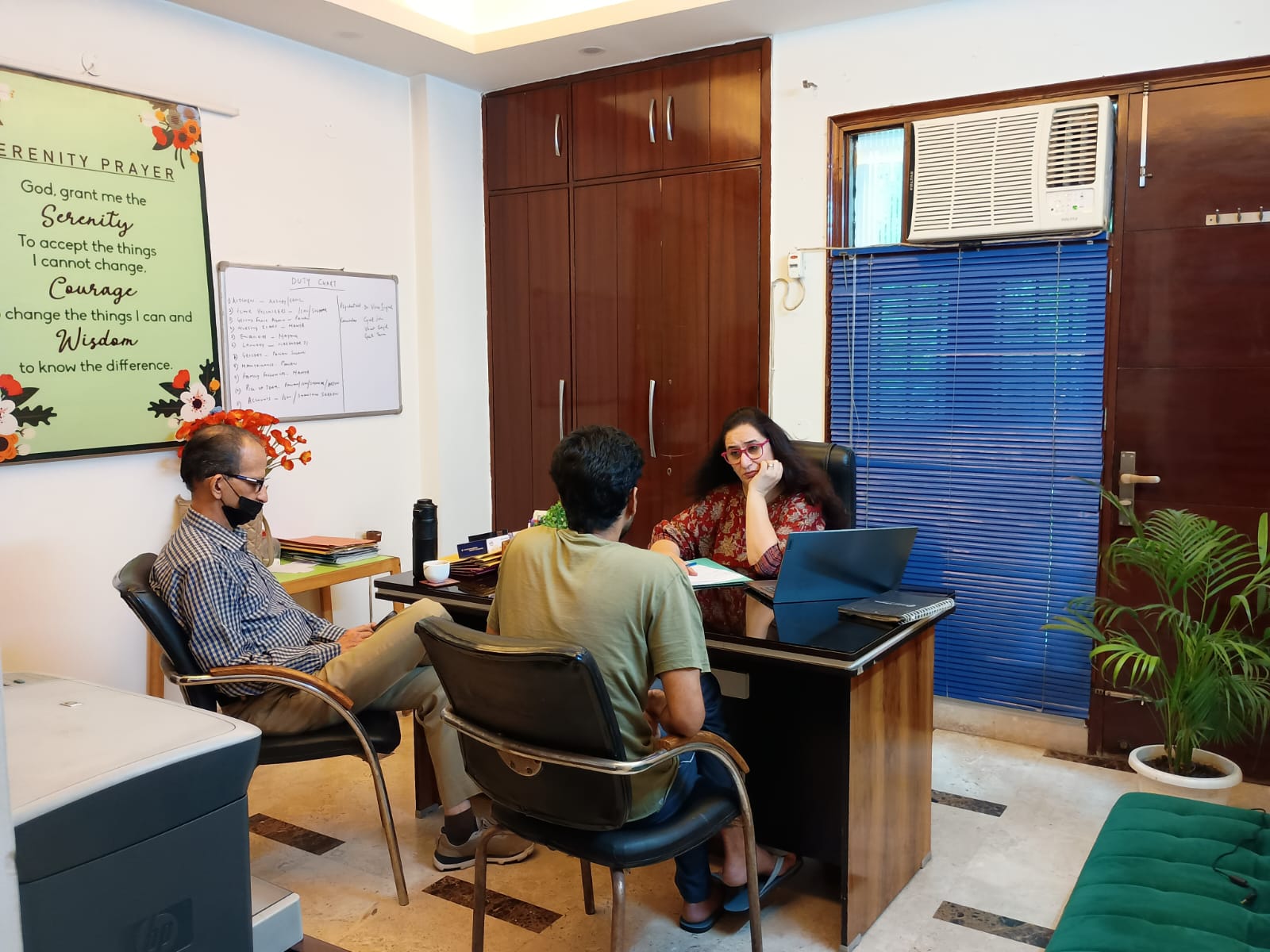
- Day 1-3: clinical assessment, toxicology, psychiatric evaluation. clinical observation protocol planned.
- Day 2-14: clinical observation and stabilisation under 24×7 psychiatric supervision. Withdrawal largely eliminated.
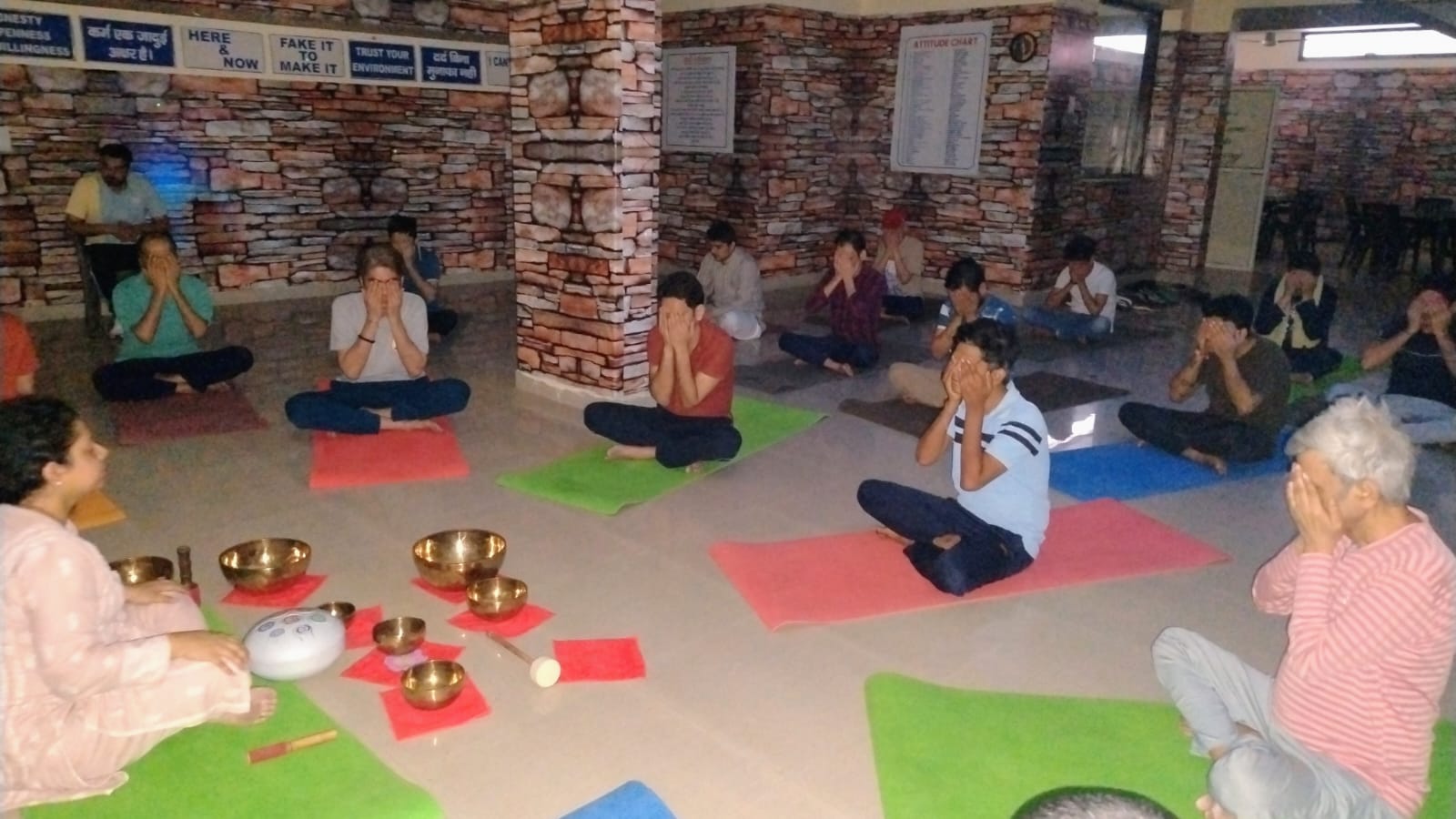
- Week 3-10: Intensive therapy phase — CBT, motivational interviewing, trigger mapping, 12-step integration via NA, family sessions.
- Week 10 onward: Discharge planning with decisions about continuing support vs support, NA meeting connection, aftercare protocol.
- Months 1-12 post-discharge: Structured aftercare — outpatient counselling, family sessions, supportive care monitoring, guidance on when to seek additional help.
Long-term recovery — what it actually looks like
Opioid dependency is a chronic condition. Long-term recovery for opioid patients often involves continued continuing support — sometimes for years, sometimes indefinitely. This is not "replacing one drug with another." It is Counselling and relapse awareness support with decades of evidence showing substantially better outcomes than abstinence-only approaches.
Families often struggle with this framing. The cultural expectation is that "recovered" means "off all supportive care." For opioids, the clinical evidence does not support that expectation. Acceptance of long-term maintenance as legitimate recovery is part of family education during treatment.
Do not wait for proof or confrontation. Call our admissions line. The first call is structured assessment, confidential, and no commitment. Our counsellors work with families in this exact situation every day across Delhi NCR and Punjab.
- Opioid dependency — heroin, smack, opioid or sedative misuse — can establish in weeks. The speed is pharmacological, not a sign of family failure.
- Cold turkey withdrawal is survivable but reliably defeats unassisted quit attempts. withdrawal monitoring is not optional for any serious opioid dependency.
- clinically supervised treatment is the global standard of care. It eliminates withdrawal without producing euphoria.
- Post-detox overdose is the highest-risk scenario in opioid care — tolerance drops fast, previous doses become fatal.
- Smack is rarely a single-substance problem. Concurrent benzo, alcohol, or tobacco use is the norm and requires integrated treatment.
- Long-term continuing support is legitimate recovery, not "swapping drugs." Family education on this is part of treatment.
- For any suspected heroin or smack dependency, early assessment is vastly preferable to waiting for a crisis — the pharmacology progresses fast.