
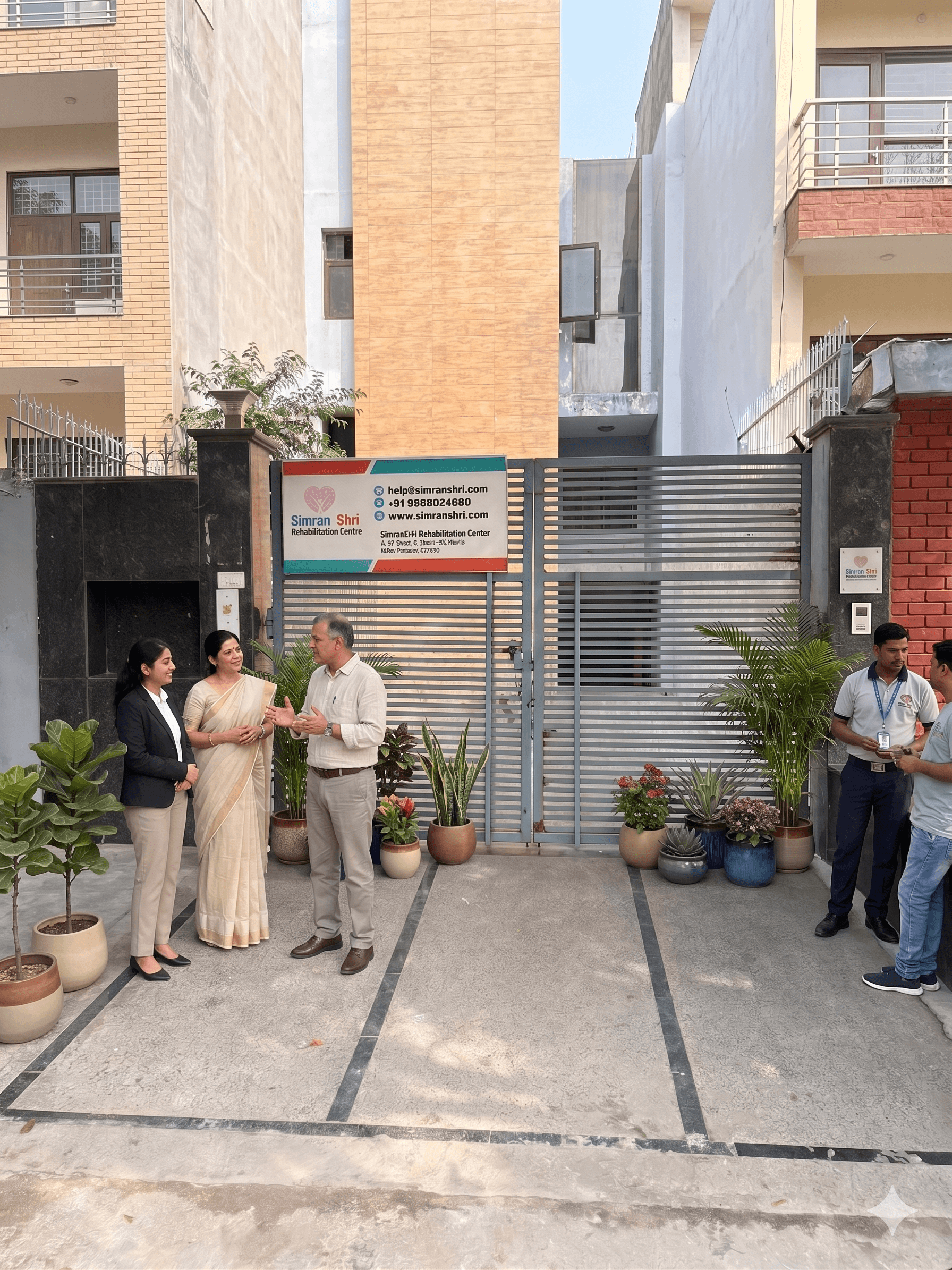
Nasha mukti kendra is the Hindi term for an addiction-release or de-addiction centre. In India, the term covers everything from non-clinical peer-support facilities to Government approved rehabilitation centres. That variance matters clinically — the difference between an unsupervised nasha mukti kendra and a clinically-led one can be the difference between dangerous withdrawal and safe recovery.
Many nasha mukti kendras across India operate as well-intentioned but non-clinical facilities. They offer basic detox (often without clinical supervision), peer support, religious or spiritual framing, and variable counselling. For mild alcohol or drug dependency without clinical complications, this model can help some patients. For severe alcohol withdrawal (seizure risk, DTs), for opioid dependency (requiring support protocols), for sedative dependency (seizure risk from abrupt withdrawal), or for poly-substance addiction — non-clinical nasha mukti kendras are clinically inadequate and potentially dangerous.
SimranShri operates as a Government approved nasha mukti kendra specifically to address this gap. We combine the spiritual and communal strengths of the nasha mukti framework with the clinical supervision structure of a government-Approved rehabilitation centre: on-site psychiatric leadership, structured counselling and supervision (CBT, MI, opioid withdrawal support, clinically supervised alcohol withdrawal monitoring), family therapy, 12-step integration, and structured continued aftercare.