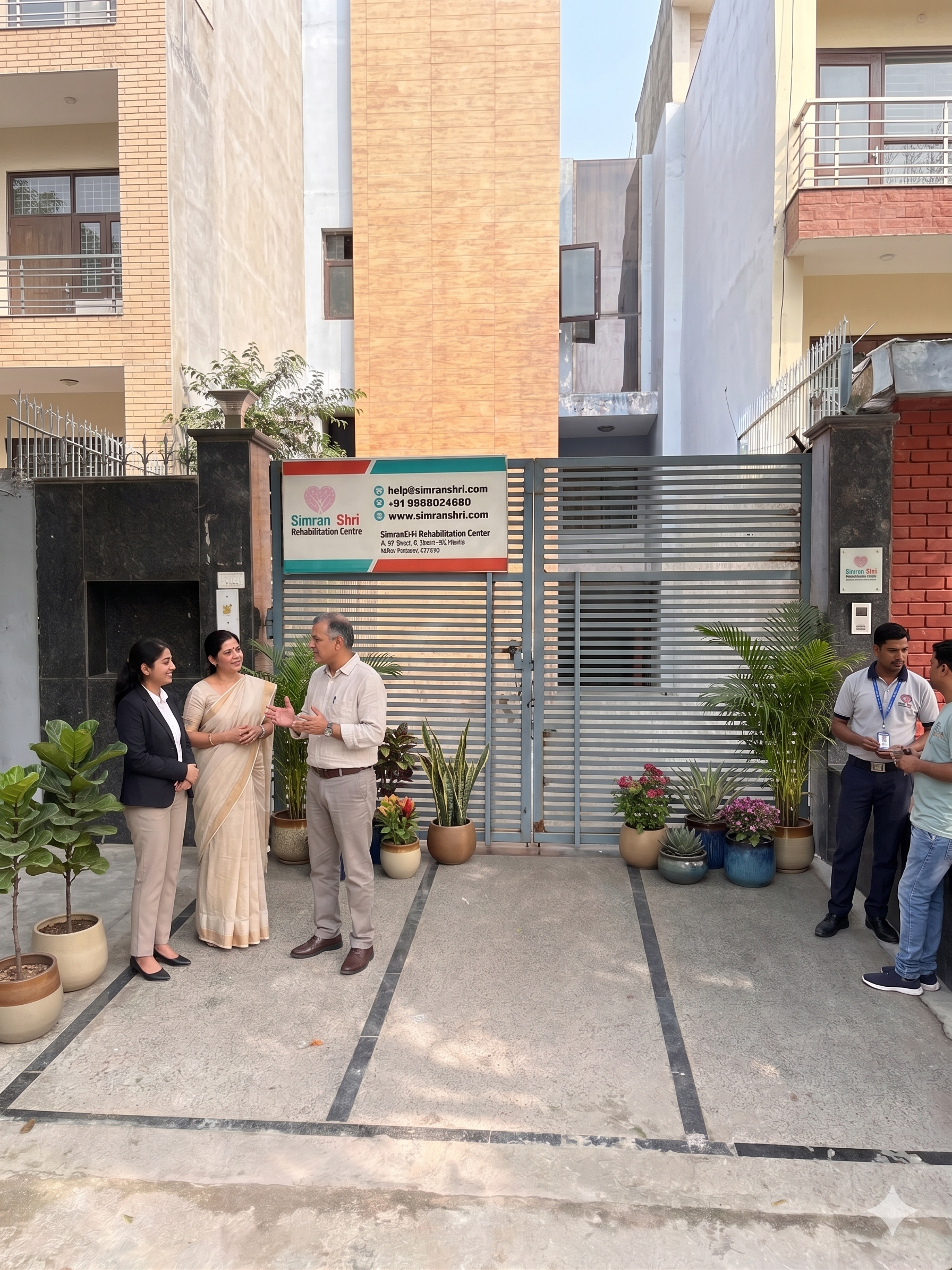
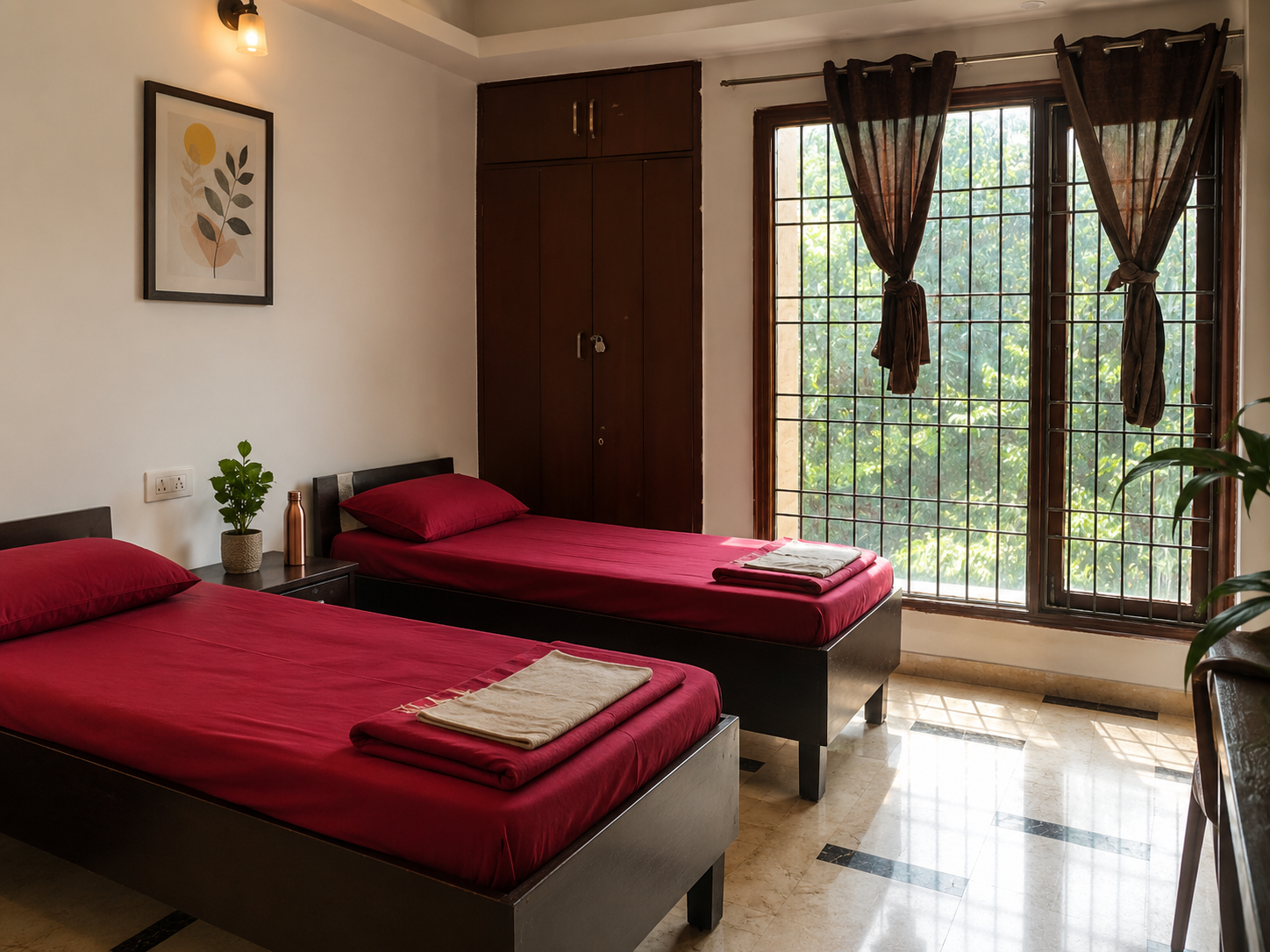
A good nasha mukti kendra in Delhi NCR should be medically accountable, transparent about its location and licensing, clear about detox safety, and serious about family involvement. The nearest centre is not automatically the safest centre.
Short answer
Choose a nasha mukti kendra that offers clinical assessment, supervised detox where needed, structured counselling, family therapy, written aftercare, and clear privacy practices. Avoid centres that promise instant cure or refuse to discuss credentials.
What to verify first
- Government accreditation or licensing details
- Whether a psychiatrist or qualified doctor supervises detox
- How alcohol, opioid, and sedative withdrawal are handled
- Whether family therapy is scheduled, not optional
- How aftercare works for the first 12 months
- Whether the centre gives a written admission and cost breakdown
Questions to ask on the call
- Who assesses the patient before admission?
- What happens in the first 72 hours?
- How are families updated?
- What substances do you treat directly?
- What happens if relapse warning signs appear after discharge?
Red flags
Be cautious if a centre says every patient follows the same plan, denies withdrawal risk, blocks family involvement completely, refuses visits, or pushes admission without asking medical questions. Addiction treatment should be urgent when needed, but never careless.
- Nearest is not always safest.
- Medical detox matters for alcohol, opioids, sedatives, and mixed substance use.
- Family therapy and aftercare should be part of the plan.
- Credentials and cost should be transparent before admission.