Packing for rehab is different from packing for a hotel stay. Some items are essential, some are actively unhelpful, and some will be taken into storage on arrival rather than kept in the room. This list is what we give every family during pre-admission. Work through it in order.
Documents and paperwork
- Government-issued photo ID — Aadhaar, passport, or driving Approval.
- Health insurance card and a copy of the policy summary if applicable.
- Previous care records — prescriptions, discharge summaries, lab reports from the last continued support, particularly any psychiatric or addiction-related records.
- Current supportive care list with dosage and frequency. Bring the actual supportive care in their original packaging for reconciliation with our care team.
- Contact details for the family members who should be reached in an emergency.
- Admission paperwork signed by the next-of-kin or guarantor (our admissions team sends this in advance).
Do not bring original property papers, share certificates, or large sums of cash. Small amounts of cash (up to ₹1000) are fine for any incidental purchase at the on-site shop. Larger amounts go into secure storage at admission.
Clothing
Pack for a structured residential stay, not a holiday. Comfort, modesty, and practicality are the guiding principles. A week's worth of clothing is sufficient — laundry runs twice weekly on-site.
- 7 sets of comfortable day clothing — cotton kurta-pyjama, track pants and t-shirts, or equivalent. Climate-appropriate for the season.
- 2-3 sets of warm clothing (sweater, shawl) for morning meditation and evening reflection — even in summer the early morning can be cool.
- Comfortable walking shoes for the physical activity sessions. One pair is enough.
- Simple indoor slippers for use in the residence.
- Sleepwear appropriate for shared or single-room accommodation — pajamas or salwar-kurta work well.
- Undergarments for 7-10 days.
- A light rain jacket or umbrella in monsoon season.
Avoid branded or expensive clothing — the environment is communal and the focus is recovery, not wardrobe. Avoid clothing with slogans referencing alcohol, drugs, or recreational themes, even if worn ironically.
Toiletries and personal care
- Toothbrush, toothpaste, soap, shampoo, deodorant, moisturiser. Two weeks' worth — basic refills are stocked on-site.
- Razor — disposable razors are permitted, safety razors allowed on a case-by-case basis. Straight razors are not allowed.
- Comb or brush, hair ties.
- Menstrual supplies for female patients — two months' worth recommended.
- Any specific skincare items you use regularly.
- Prescription eyewear with a spare pair if possible.
Mouthwash containing alcohol, perfumes or colognes in glass bottles, over-the-counter pain supportive care (beyond what the care team has approved), herbal supplements, and any item containing alcohol as an ingredient are all screened. Bring them by default — our care team will decide what stays accessible and what goes into supervised storage.
Books, journals, and comfort items
- 2-3 books — novels, self-development, spiritual reading of your tradition. Books are encouraged.
- 2 notebooks and pens for journaling. Journaling is part of the therapy work.
- Photographs of family in small frames — these go in the room and help in homesick moments.
- A prayer book, rosary, mala, or similar item from your faith tradition if relevant.
- A small blanket or shawl from home if that matters to you — the centre provides bedding but familiar comfort objects are welcome.
What to leave behind
Certain items cannot be kept in the resident area during the main treatment phase. This is clinical policy, applied consistently, and not negotiable.
- Mobile phones — taken into clinical office storage at admission. Scheduled family calls happen twice weekly on monitored landlines or supervised calls from a clinical device.
- Laptops, tablets, and smartwatches — same policy as phones.
- Any alcohol-containing product (mouthwash, cologne, hand sanitiser bottles) in the room — moved to supervised storage.
- Over-the-counter supportive care not approved by our care team.
- Herbal or ayurvedic supplements — our care team will review and approve, or hold in supervised storage.
- Knives, scissors, sharp implements — held in clinical office and issued when needed.
- Large sums of cash, valuable jewellery, credit cards — held in secure storage.
- Reading material that is graphically violent, pornographic, or explicitly about drug use.
Our admissions team will walk you through this list item-by-item during the pre-admission call. Nothing at the packing stage is permanent — items in storage are returned at discharge.
What the centre provides
So you do not over-pack, here is what is already on-site:
- All bedding, linens, towels — changed twice weekly.
- All meals and refreshments — three meals and two tea breaks daily. Kitchen accommodates vegetarian, non-vegetarian, and clinical diet requirements.
- Laundry service — twice weekly pickup and return.
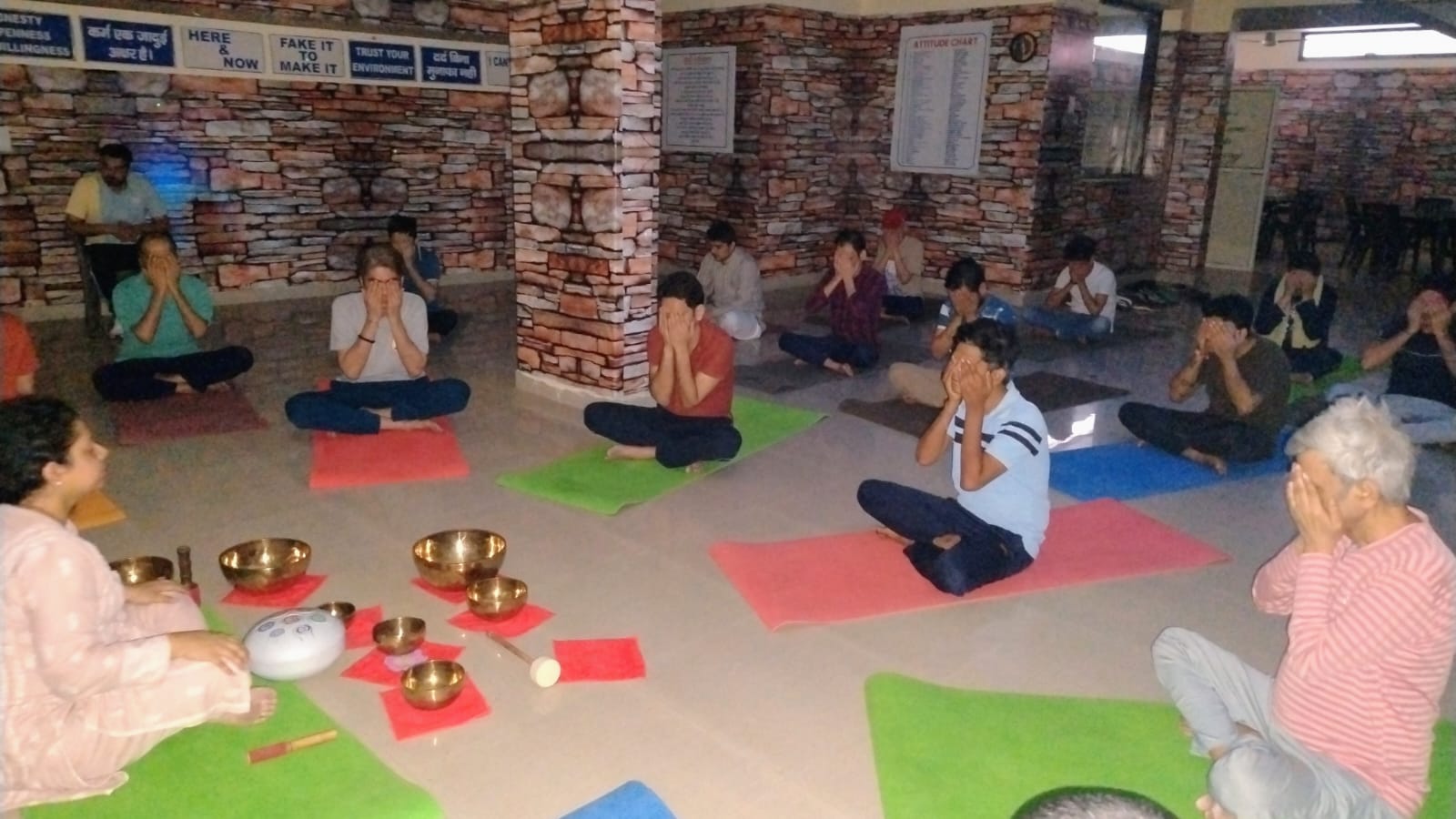
- Yoga mats and basic exercise equipment — no need to bring your own.
- Stationery for therapy sessions and worksheets — provided by the clinical team.
- Basic toiletries as back-up if you run out during the stay.
- Library of books on addiction, recovery, and general reading.
Our admissions team will arrange a pre-admission call once a bed is confirmed. The call covers the packing list, travel arrangements, clinical handover, and what to expect on day one. It is typically scheduled for the evening before admission. Use that call for any specific questions.
- Pack for a structured residential stay, not a holiday — a week's worth of comfortable, modest clothing is sufficient.
- Bring all current supportive care in their original packaging for reconciliation with the care team. Previous care records from the last continued support are helpful.
- Phones, laptops, and valuables go into secure storage at admission. Scheduled family calls happen on monitored devices.
- Alcohol-containing products (mouthwash, cologne, hand sanitiser) are moved to supervised storage — bring them by default and the care team will decide.
- The centre provides bedding, meals, laundry, yoga mats, stationery, and a library — do not over-pack these categories.
- The admissions team does a pre-admission call that covers packing, travel, and clinical handover. Use it for any specific questions.