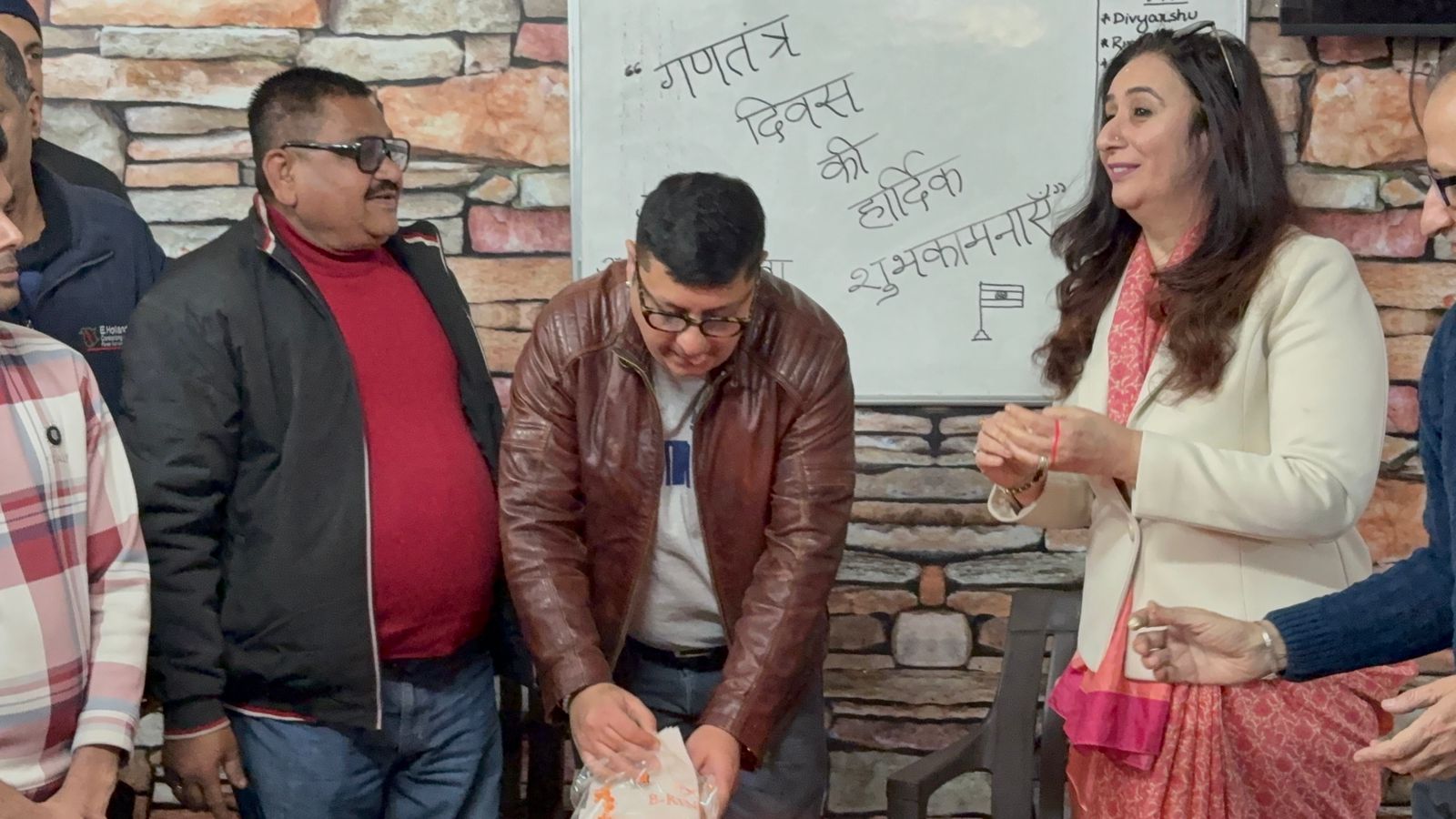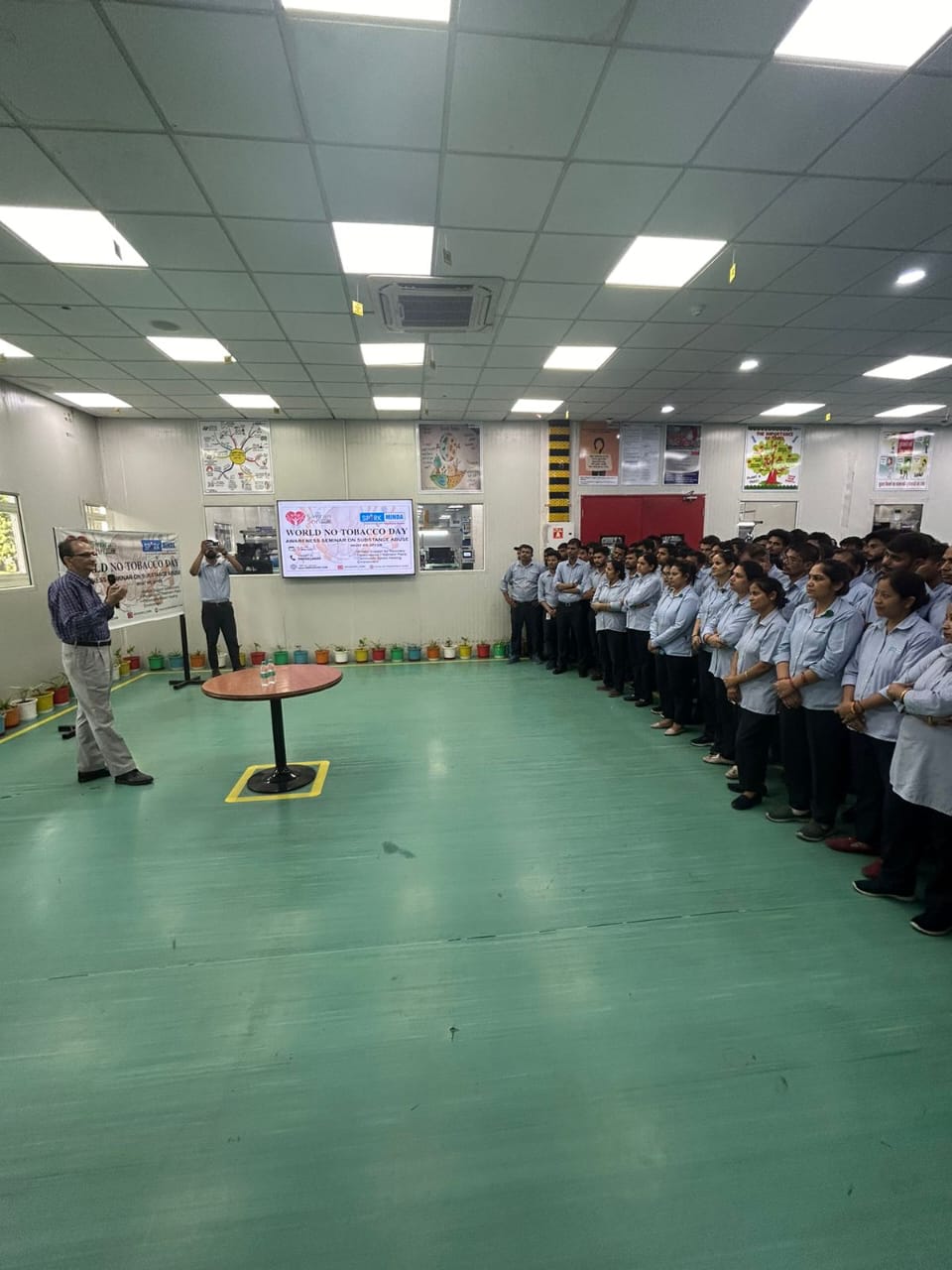
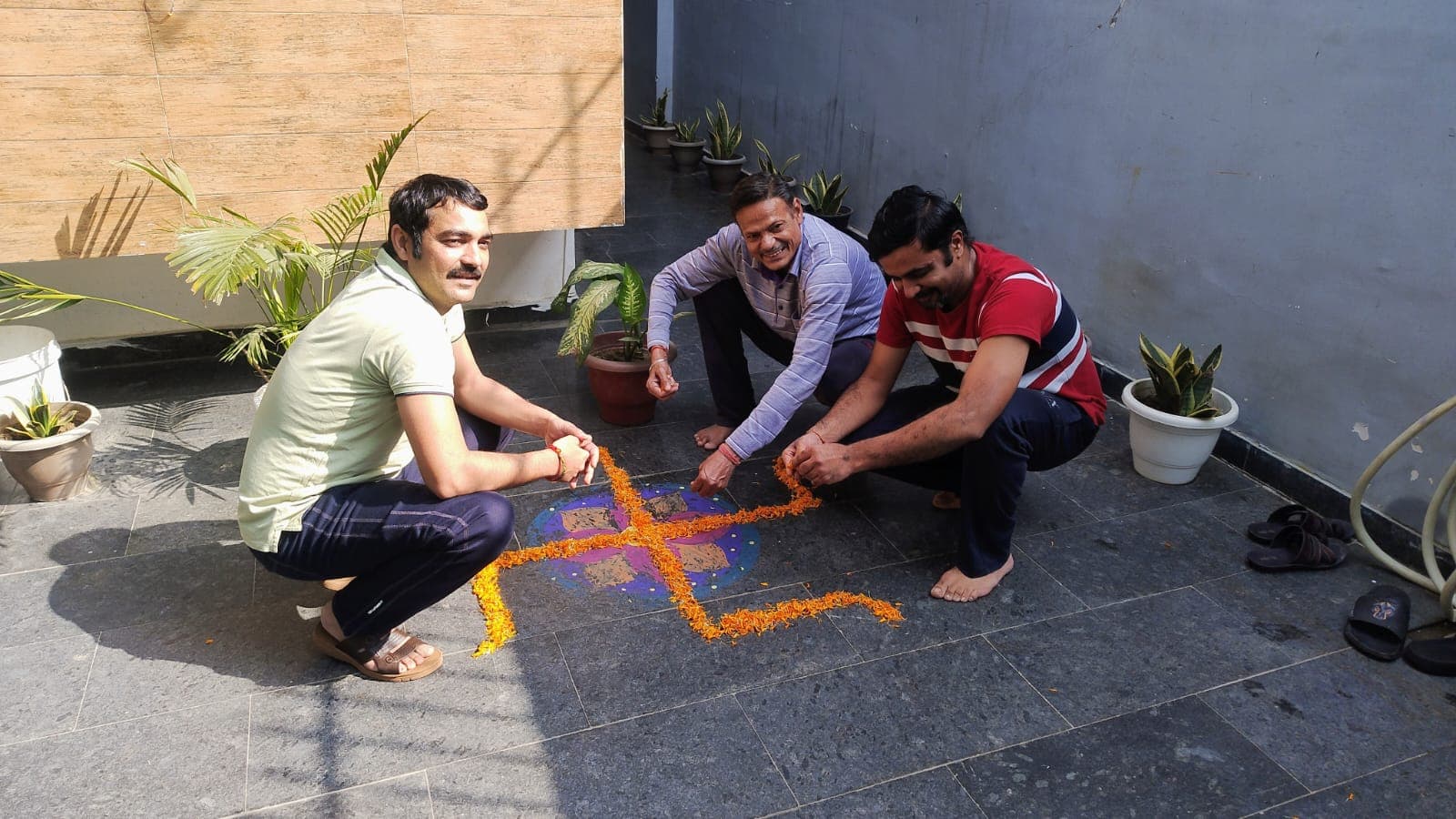
One of the most common questions we get from families before admission is "what does a day there actually look like?" It is a practical question with a clinical answer — the structure of the day is not a filler, it is the therapy. Most patients arriving at residential rehab have been living lives where the day had organised itself around substance use. Putting a different structure in place is one of the first things treatment does, and the specifics matter.
This piece walks through a representative day at SimranShri during the main treatment phase (weeks 3-10). The first two weeks look different — more clinical, less therapy, gentler pace — because detox is the priority.
Why the schedule matters clinically
Structure does several things at once. It removes decisions that a newly sober person is not yet ready to make well. It creates predictability, which reduces anxiety. It ensures therapy happens consistently rather than when the patient feels like it. It builds the habit of a regular sleep cycle, meal times, and movement — all of which have been disrupted by active use. And it surrounds the patient with peers in recovery, which is one of the most powerful clinical variables we have.
Families sometimes imagine rehab as either a clinical hospital ward or a wellness retreat. It is neither. A better mental model is boarding school: structured, communal, safe, and busy — with clinical work woven through the day.
Morning — 6:00am to 12:00pm
6:00am — Wake
Patients wake at 6:00am. This is earlier than many patients were keeping to in active use and deliberately so — a stable sleep-wake cycle is one of the faster-to-restore circadian functions, and it starts to improve mood and cognition within two to three weeks.
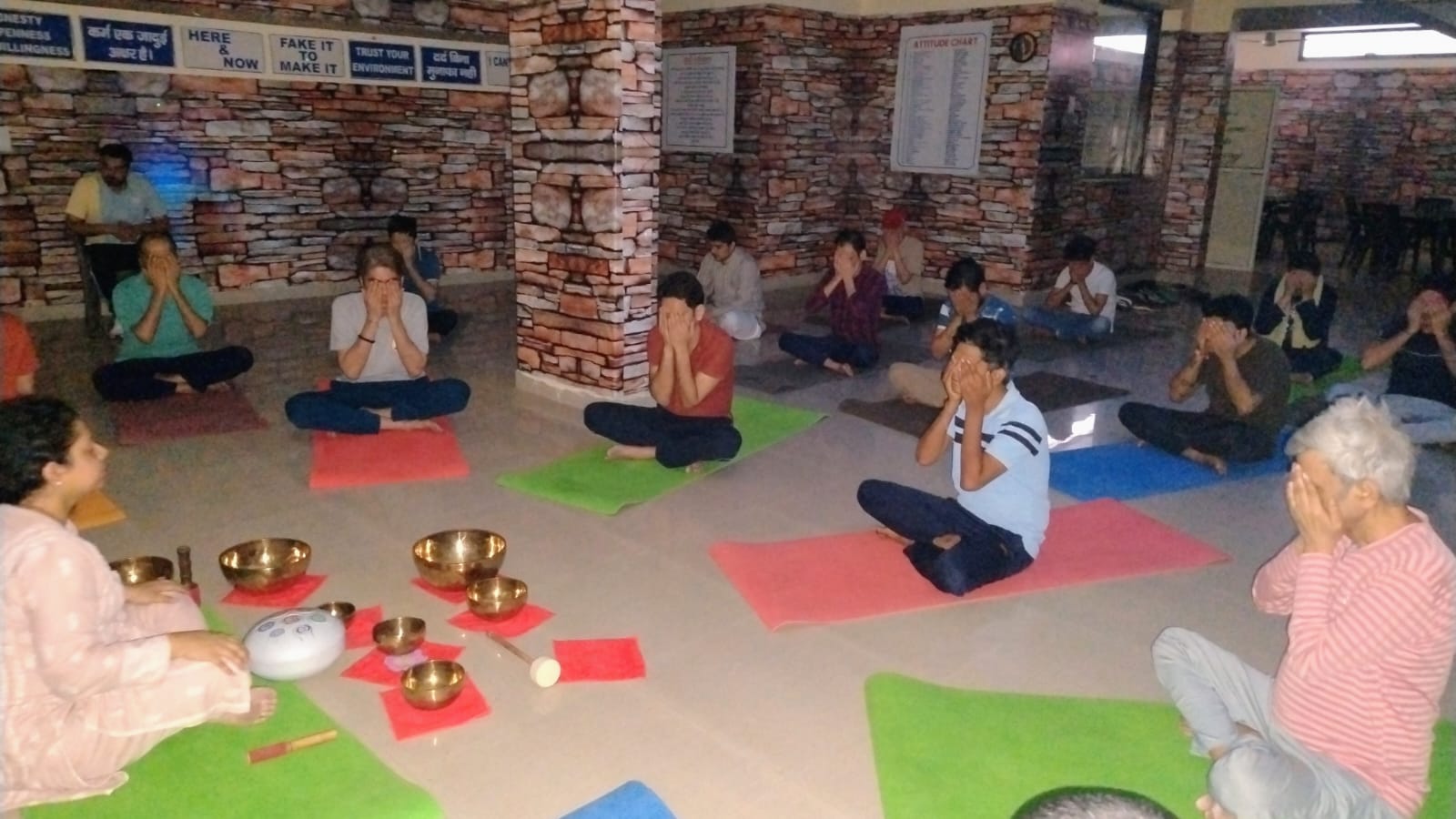
6:30am — Morning meditation and yoga
Forty-five minutes of guided meditation and light yoga on the terrace. This is not aesthetic. Meditation has a substantial evidence base in addiction recovery for reducing craving intensity and improving emotional regulation. Patients who resist it in week one are usually asking for it by week six.
7:30am — Breakfast
Full breakfast in the dining hall. Communal. Patients eat with peers, not in their rooms. Meals are planned by our kitchen team to rebuild appetite and correct nutritional deficits — many patients arrive underweight and nutritionally depleted from months or years of use.
8:30am — supportive care round and vitals
Morning supportive care round with our nursing team. Vitals checked for any patient still in early stabilisation or on maintenance supportive care (support, antidepressants, blood pressure supportive care). This takes about 30 minutes per patient group.
9:00am — Morning group therapy
Ninety-minute group therapy session led by one of our senior counsellors. The format varies through the week — check-ins on Monday, CBT modules Tuesday and Thursday, motivational interviewing Wednesday, twelve-step study Friday. Saturdays are longer family-focused sessions when family members are able to join.
10:30am — Break
Thirty-minute break. Chai, fruit, rest. Patients use this time to journal, talk with peers, or sit quietly.
11:00am — Individual therapy or educational module
Each patient has two individual therapy sessions per week — one with the primary psychiatrist and one with their assigned counsellor. Slots are distributed across the week. Patients not in individual therapy at this slot attend an educational module — addiction neuroscience, relapse prevention skills, family dynamics, trauma basics, stress management.
Afternoon — 12:00pm to 6:00pm
12:30pm — Lunch
Lunch is the main meal. Full thali — dal, sabzi, roti, rice, curd, salad. Again, communal.
1:30pm — Rest period
An hour of genuine rest. Patients can read, nap, or sit on the terrace. Phones remain in the clinical office (phones are restricted to supervised calls to family in the main treatment phase — this is deliberate and clinically justified, not punitive).
2:30pm — Afternoon workshop
Two hours of structured group work. The afternoon workshop rotates across: art and expressive therapy, body-based work (breath work, somatic exercises), trigger mapping, and process groups (a slower, more open group discussion format).
4:30pm — Physical activity
An hour of physical activity. Walking, light gym work, or sports in the outdoor area. Physical activity is a non-negotiable part of the day. Exercise has independent benefits in addiction recovery — mood, sleep, craving reduction, cognitive function — and the effect is dose-dependent.
5:30pm — Break and chai
Evening — 6:00pm to 10:30pm
6:00pm — NA or AA meeting
Evening twelve-step meeting on-site. Narcotics Anonymous three times a week, Alcoholics Anonymous three times a week, an alumni meeting once a week (past patients in long-term recovery come in to share). Attendance is expected.
7:30pm — Dinner
Dinner is lighter than lunch — a conscious choice, better for sleep. Dal, sabzi, roti, salad.
8:30pm — Free time
Genuinely free — patients can play board games, watch a documentary in the common room, sit on the terrace, or spend time in quiet reflection. Some journal. Some read. This is deliberate unstructured time, which is important because post-discharge life has unstructured time that patients need to learn to navigate sober.
9:30pm — Evening reflection
A brief thirty-minute gathering — each patient shares one observation from the day, one gratitude, and one intention for the next day. This is brief but psychologically important.
10:00pm — supportive care round, lights out by 10:30pm
Evening supportive care round, preparation for sleep, lights out at 10:30pm. Patients who have trouble sleeping work with the night nurse on sleep hygiene rather than reaching for sedatives by default.
How the schedule changes across weeks
The schedule above represents the main treatment phase, weeks 3-10. Adjustments across the programme:
- Weeks 1-2 (detox): Lighter schedule, more rest, more clinical monitoring, fewer groups. Physical activity starts on clinical clearance.
- Weeks 3-10 (main phase): The schedule above.
- Weeks 10-12 (pre-discharge): Schedule shifts toward more unstructured time, trial phone access, relapse prevention planning, discharge planning sessions with family.
- Family Saturdays: On the Saturdays when family members visit, morning therapy sessions are replaced with joint family work through to early afternoon.
Phones are restricted during the main treatment phase. Family calls happen twice a week on a scheduled, supervised basis. This is not punishment — it is clinical. Early-recovery patients who maintain heavy phone contact with outside life struggle to engage with the work. The restriction eases in pre-discharge weeks as the patient prepares to re-integrate.
Families are welcome to visit the centre before admission. Our admissions team arranges tours — you can see the rooms, the therapy spaces, the dining area, and meet some of the clinical team. Call the admissions line to book a visit.
- The schedule itself is part of the therapy. It replaces a life organised around use with a life organised around recovery.
- A typical day at SimranShri runs from 6am wake to 10:30pm lights-out, with therapy, groups, meals, movement, and rest woven through the day.
- Morning is meditation, breakfast, group therapy, and individual sessions. Afternoon is lunch, rest, workshop, and physical activity. Evening is 12-step meetings, dinner, free time, and reflection.
- Phones are restricted in the main treatment phase with scheduled family calls twice a week. This is clinical, not punitive.
- The schedule changes across the programme — lighter in detox, structured through the main phase, more unstructured in pre-discharge as the patient prepares for re-integration.
- Families can visit the centre before admission to see the facility and meet the team. Tours are arranged by admissions.